CRM database systems are the backbone of modern customer relationship management, empowering businesses to understand, engage, and nurture their customers effectively. These systems consolidate customer data, providing a comprehensive view of each individual’s interactions with the company. From sales and marketing to customer service and support, CRM database systems streamline processes, automate tasks, and enable data-driven decision-making.
By centralizing customer information, CRM database systems offer numerous benefits, including improved customer satisfaction, increased sales, and enhanced operational efficiency. They allow businesses to personalize interactions, identify potential opportunities, and track progress across the customer lifecycle. The ability to analyze customer data provides valuable insights into their preferences, behaviors, and needs, enabling businesses to tailor their strategies for maximum impact.
Introduction to CRM Database Systems
A CRM database system is a software application that helps businesses manage their interactions with customers and potential customers. It is a central repository for all customer-related data, including contact information, purchase history, communication logs, and more. CRM systems are designed to streamline and improve customer relationships, ultimately leading to increased sales, customer satisfaction, and business growth.
The implementation of a CRM database system offers numerous benefits for businesses. It enables organizations to centralize and manage customer information effectively, facilitating better customer service, personalized communication, and targeted marketing efforts. By providing a comprehensive view of customer interactions, CRM systems empower businesses to make data-driven decisions, leading to improved customer retention and increased profitability.
Types of CRM Database Systems
CRM database systems come in various forms, each catering to specific business needs and organizational structures. Here are some common types:
- On-premise CRM: This type of CRM is installed and hosted on a company’s own servers. It offers greater control over data security and customization but requires significant upfront investment and ongoing maintenance.
- Cloud-based CRM: This type of CRM is hosted on a third-party server and accessed via the internet. It offers scalability, affordability, and ease of use, making it an attractive option for businesses of all sizes.
- Open-source CRM: This type of CRM is free to use and modify, offering greater flexibility and control. However, it may require technical expertise for installation and maintenance.
- Small Business CRM: Designed for smaller businesses, these systems offer simplified features and user interfaces, making them easy to use and manage.
- Enterprise CRM: These systems are designed for large organizations with complex business processes and extensive customer data. They offer advanced features and functionality to manage large customer bases and diverse business operations.
Key Components of a CRM Database System
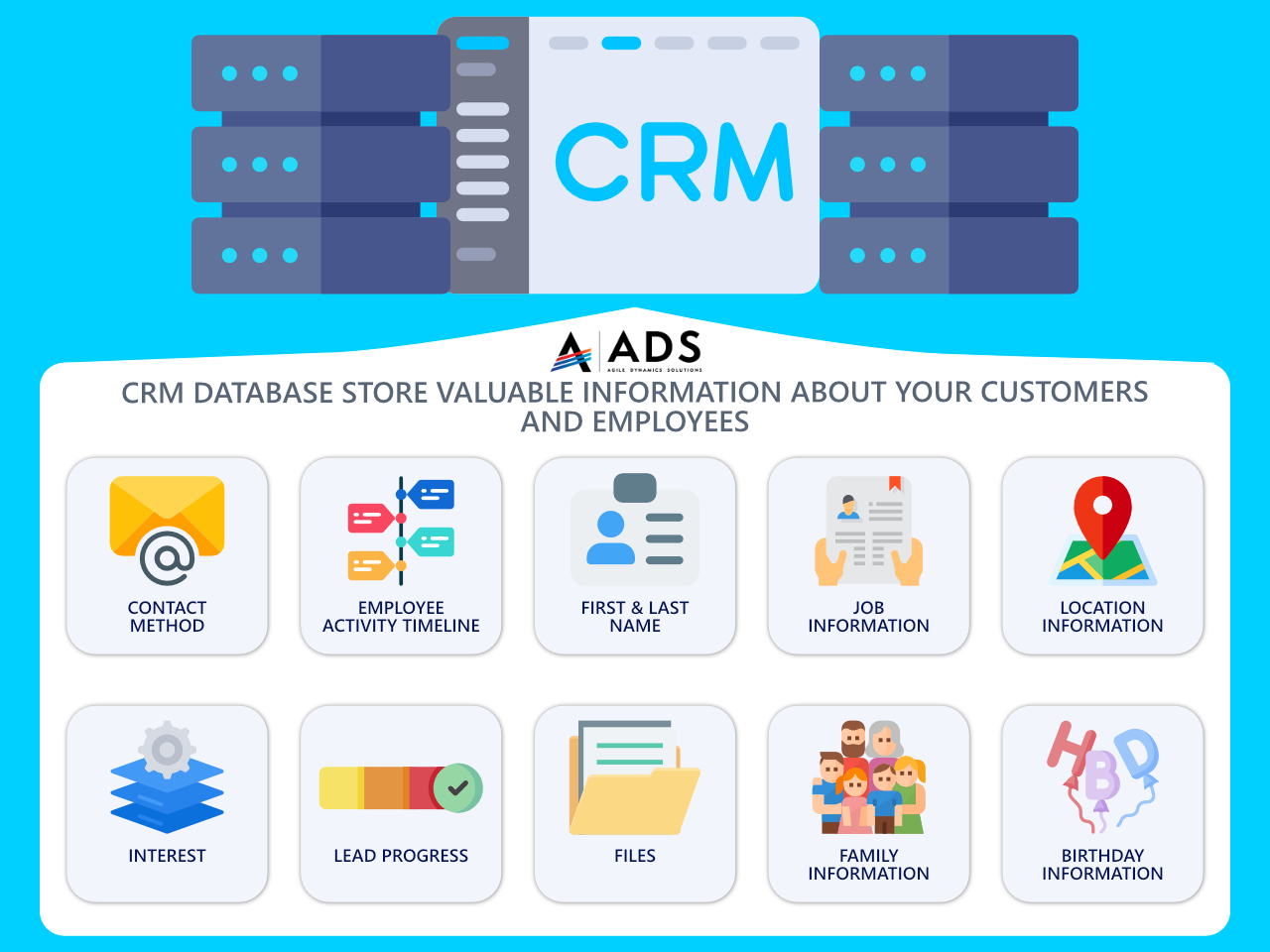
A CRM database system is built on a foundation of interconnected components that work together to manage customer interactions and relationships effectively. These components are crucial for organizing, analyzing, and utilizing customer data to optimize business operations.
The Role of Customer Data
Customer data forms the heart of a CRM database system. It encompasses all the information gathered about individual customers and their interactions with the company. This data includes:
- Demographic information: Age, gender, location, occupation, and other personal details.
- Contact information: Phone numbers, email addresses, physical addresses, and social media handles.
- Purchase history: Products or services purchased, order dates, purchase amounts, and payment methods.
- Customer interactions: Communication logs, support tickets, website visits, and social media engagements.
- Preferences and interests: Product preferences, marketing preferences, and feedback on products or services.
By capturing and analyzing this data, businesses can gain valuable insights into customer behavior, identify trends, and tailor their marketing and sales strategies for maximum effectiveness.
Modules within a CRM Database System
CRM database systems are typically divided into modules that cater to specific business functions. These modules work in conjunction to provide a comprehensive view of customer interactions. Some common modules include:
- Sales Module: This module helps manage the sales process, from lead generation to closing deals. It includes features for lead tracking, opportunity management, sales forecasting, and pipeline analysis.
- Marketing Module: This module focuses on marketing campaigns and customer engagement. It allows businesses to create targeted campaigns, manage email marketing lists, track campaign performance, and analyze customer responses.
- Service Module: This module handles customer support and service requests. It provides tools for managing support tickets, tracking customer issues, and providing self-service options.
Data Integration and Consistency
Data integration and consistency are critical for the success of a CRM database system. Data integration ensures that information from different sources is consolidated into a single, unified database. This eliminates data silos and provides a holistic view of customer interactions.
Data consistency ensures that the same information is stored consistently across the system, eliminating duplicate entries and conflicting data.
By maintaining data integrity, businesses can rely on the information in their CRM database system to make informed decisions and improve customer experiences.
Implementing a CRM Database System
Implementing a CRM database system involves a series of steps to ensure a smooth transition and maximize the benefits of the system. It’s a strategic process that requires careful planning, execution, and ongoing maintenance.
Selecting a CRM Database System
Choosing the right CRM database system is crucial for the success of your implementation. This step involves assessing your specific business needs and evaluating various CRM solutions to find the best fit.
- Define your business requirements: Identify the key goals you want to achieve with a CRM system. What are your specific needs for managing customer interactions, tracking sales opportunities, or analyzing customer data?
- Research and evaluate different CRM solutions: Explore the market and compare features, functionalities, pricing models, and user reviews of various CRM providers. Consider both cloud-based and on-premise options.
- Consider your budget and scalability: Determine how much you can afford to invest in a CRM system and ensure the chosen solution can scale with your business growth.
- Prioritize user-friendliness and integration: Select a CRM system that is intuitive and easy to use for your team. Also, ensure it integrates seamlessly with your existing business applications.
- Request demos and trials: Get hands-on experience with shortlisted CRM systems through demos and free trials to assess their usability and suitability for your needs.
Data Migration
Data migration is the process of transferring your existing customer data from your old systems to the new CRM database. It’s a critical step that requires careful planning and execution to ensure data integrity and minimize disruption to your operations.
- Develop a data migration plan: Artikel the steps involved in data migration, including data cleansing, transformation, and validation. Define the scope of data to be migrated and establish clear timelines.
- Ensure data quality: Cleanse and validate your data to ensure accuracy and consistency before migrating it to the new system. This step helps avoid errors and data inconsistencies in your CRM.
- Use specialized migration tools: Consider using data migration tools designed for CRM systems to automate the process and minimize manual effort. These tools often offer data mapping and transformation capabilities.
- Test and validate data: After migration, thoroughly test the data in the new CRM system to ensure accuracy and completeness. Verify that all data is migrated correctly and that the system functions as expected.
- Document the process: Maintain detailed documentation of the data migration process, including steps taken, challenges encountered, and solutions implemented. This documentation can be valuable for future reference and troubleshooting.
Customization
CRM customization allows you to tailor the system to your specific business processes and workflows. This step ensures that the CRM aligns with your unique requirements and maximizes its value for your organization.
- Identify customization needs: Analyze your business processes and identify areas where the standard CRM functionality needs to be adapted or extended to meet your specific requirements.
- Utilize CRM configuration options: Many CRM systems offer extensive configuration options that allow you to customize fields, workflows, and reports without requiring coding. Explore these options before considering custom development.
- Engage in custom development: For more complex customization needs, you may need to engage in custom development. This involves working with CRM developers to build custom modules, integrations, or functionalities tailored to your specific requirements.
- Test and deploy customizations: Thoroughly test all customizations before deploying them to your live CRM environment. Ensure that the changes work as intended and do not introduce any conflicts or errors.
- Maintain and update customizations: Regularly review and update your CRM customizations to reflect any changes in your business processes or requirements. This ensures that your CRM remains aligned with your evolving needs.
Ensuring Successful Adoption
Successful CRM adoption requires a multi-pronged approach that involves engaging your team, providing training, and fostering ongoing user support.
- Communicate effectively: Clearly communicate the benefits of the new CRM system to your team and highlight how it will improve their workflows and productivity.
- Provide comprehensive training: Offer comprehensive training programs to familiarize your team with the CRM system’s functionalities, features, and best practices. This ensures that they are comfortable using the system and can leverage its full potential.
- Offer ongoing support: Establish a support system for users to address questions, troubleshoot issues, and get assistance with the CRM system. This could include user guides, FAQs, online forums, or dedicated support teams.
- Encourage user feedback: Actively solicit user feedback on the CRM system to identify areas for improvement and ensure that the system meets their needs. This feedback can help you refine the system and optimize its usability.
- Measure and track results: Set up key performance indicators (KPIs) to track the effectiveness of the CRM system and measure its impact on your business outcomes. This data can help you identify areas for optimization and demonstrate the value of the CRM investment.
Best Practices for Managing a CRM Database System
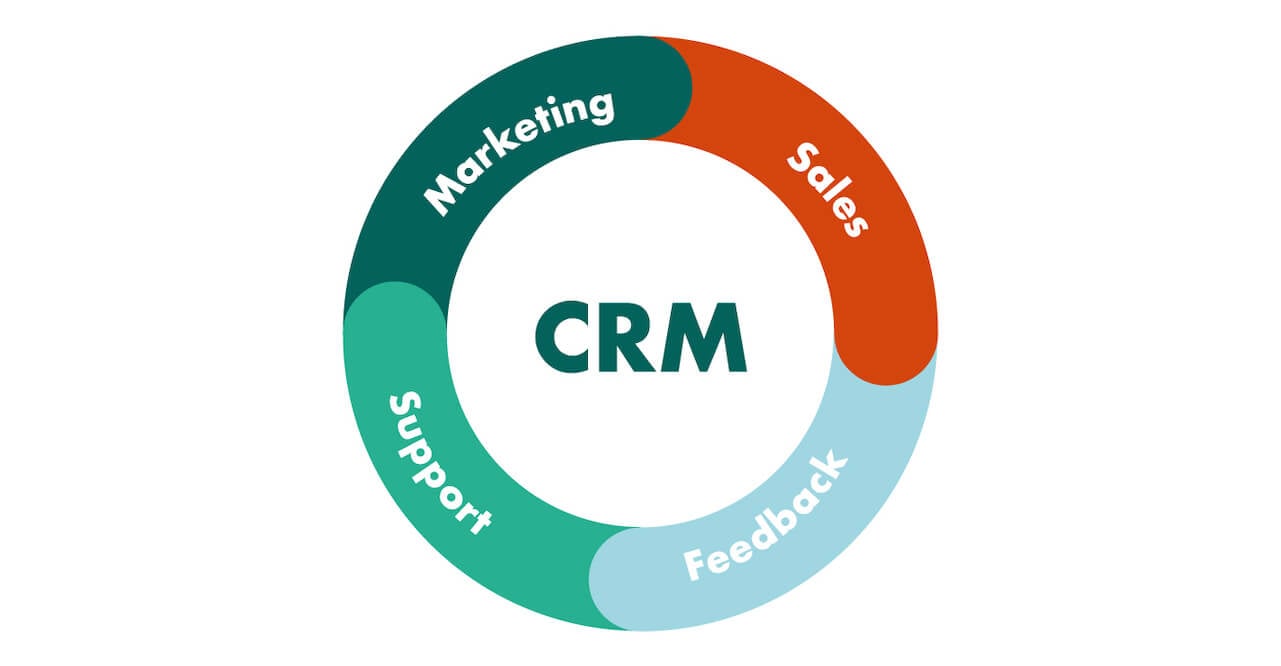
A well-managed CRM database system is crucial for businesses to maximize their potential. By implementing best practices, organizations can ensure the integrity, security, and efficiency of their CRM data.
Data Security and Privacy
Data security and privacy are paramount in CRM database management. Customer information is sensitive and must be protected from unauthorized access, use, or disclosure. Implementing robust security measures is essential to maintain customer trust and comply with regulations.
- Strong Passwords and Access Controls: Implement strong password policies and restrict access to sensitive data based on roles and responsibilities. This ensures that only authorized individuals can access specific information.
- Data Encryption: Encrypt data both at rest and in transit to prevent unauthorized access even if the data is intercepted. Encryption safeguards sensitive information from falling into the wrong hands.
- Regular Security Audits: Conduct regular security audits to identify vulnerabilities and implement necessary security patches and updates. This helps maintain a secure system and protect against evolving threats.
- Data Minimization: Collect only the data that is absolutely necessary for business operations. Minimizing data collection reduces the risk of data breaches and ensures compliance with privacy regulations.
- Data Retention Policies: Establish clear data retention policies to determine how long data is stored and when it should be deleted. This helps maintain data integrity and comply with regulations like GDPR.
Data Accuracy and Integrity
Maintaining accurate and complete data is crucial for effective CRM operations. Inaccurate data can lead to flawed decisions, missed opportunities, and damaged customer relationships.
- Data Validation and Cleansing: Implement data validation rules and cleansing processes to ensure data accuracy and consistency. This involves identifying and correcting errors, duplicates, and inconsistencies in the data.
- Data Standardization: Establish data standards and formats to ensure consistency across the entire CRM system. This simplifies data analysis, reporting, and integration with other systems.
- Data Governance: Implement data governance policies to define data ownership, responsibilities, and procedures for managing data quality. This ensures data accuracy and consistency across the organization.
- Data Entry Training: Train employees on proper data entry procedures and guidelines. This helps minimize errors and ensure data integrity.
- Regular Data Audits: Conduct regular data audits to identify and correct data inaccuracies. This helps maintain data quality over time and ensures that the CRM system provides reliable information.
Regular Data Backups and Disaster Recovery Planning
Data loss can be catastrophic for any business. Implementing regular data backups and disaster recovery planning is essential to protect valuable CRM data from accidental deletion, hardware failures, or cyberattacks.
- Regular Data Backups: Implement a schedule for regular data backups to ensure that data is protected against loss. Backups should be stored securely in a separate location from the primary database.
- Data Backup Testing: Regularly test data backup and recovery procedures to ensure that they are effective and that data can be restored quickly in case of an emergency.
- Disaster Recovery Plan: Develop a comprehensive disaster recovery plan that Artikels procedures for restoring data and systems in the event of a disaster. This plan should include detailed steps for data recovery, system restoration, and business continuity.
- Cloud-Based Backups: Consider using cloud-based backup services for additional protection and redundancy. Cloud-based backups are often more secure and reliable than traditional on-premises backups.
CRM Database System Trends and Future Directions
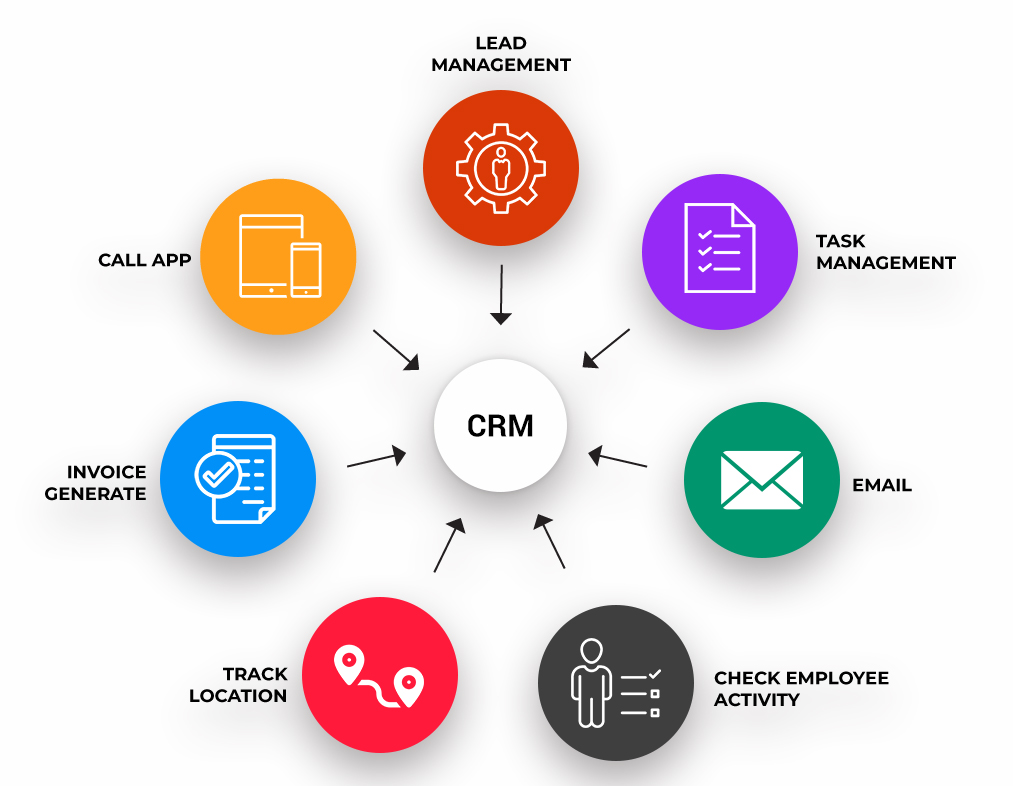
The realm of CRM database systems is continually evolving, driven by advancements in technology and changing customer expectations. This section delves into emerging trends shaping the future of CRM, exploring the impact of cloud computing and mobile accessibility on CRM database systems and providing insights into their role in customer engagement.
Impact of Cloud Computing and Mobile Accessibility
Cloud computing has revolutionized CRM database systems, offering numerous benefits like scalability, accessibility, and cost-effectiveness. By hosting CRM data and applications on cloud platforms, businesses can access their CRM systems from anywhere with an internet connection. This eliminates the need for expensive hardware and software installations, making CRM solutions more accessible to businesses of all sizes.
Furthermore, the rise of mobile devices has made CRM systems readily available to sales, marketing, and customer service teams on the go. Mobile CRM applications allow teams to access customer information, track interactions, and manage tasks from their smartphones or tablets. This enhances productivity and enables real-time engagement with customers regardless of location.
Artificial Intelligence and Machine Learning in CRM
Artificial intelligence (AI) and machine learning (ML) are transforming CRM systems, enabling them to analyze vast amounts of customer data and provide valuable insights. AI-powered CRM solutions can automate tasks, personalize customer interactions, and predict customer behavior. For instance, AI-driven chatbots can handle basic customer inquiries, freeing up human agents to focus on more complex issues.
- Predictive Analytics: AI-powered CRM systems can analyze historical customer data to identify patterns and predict future behavior, allowing businesses to proactively address customer needs and personalize marketing campaigns.
- Customer Segmentation: AI algorithms can segment customers based on their preferences, purchase history, and other factors, enabling businesses to tailor their marketing messages and offers to specific customer groups.
- Automated Lead Scoring: AI can automatically score leads based on their likelihood of converting into paying customers, helping sales teams prioritize their efforts and focus on the most promising prospects.
Integration with Other Business Systems
Modern CRM database systems are increasingly integrated with other business systems, such as enterprise resource planning (ERP), marketing automation, and e-commerce platforms. This integration creates a unified view of customer data across different departments, improving efficiency and collaboration.
- Data Synchronization: Integrated systems ensure data consistency and accuracy, eliminating the need for manual data entry and reducing errors.
- Streamlined Workflows: Automation of processes across different systems enhances efficiency and reduces the time required to complete tasks.
- Improved Customer Experience: A unified view of customer data enables businesses to provide personalized and consistent experiences across all touchpoints.
The Future of CRM Database Systems
The future of CRM database systems is characterized by continuous innovation and the increasing importance of customer experience. CRM systems will become even more sophisticated, leveraging AI, ML, and other emerging technologies to provide personalized and proactive customer engagement.
- Hyper-Personalization: CRM systems will utilize AI to gather and analyze vast amounts of customer data, enabling businesses to deliver highly personalized experiences tailored to individual customer preferences.
- Omnichannel Engagement: CRM systems will seamlessly integrate across all customer touchpoints, providing a consistent and personalized experience regardless of whether customers interact through websites, mobile apps, social media, or physical stores.
- Predictive Customer Service: AI-powered CRM systems will anticipate customer needs and proactively address potential issues, minimizing customer frustration and enhancing satisfaction.
Wrap-Up: Crm Database System
As businesses continue to embrace digital transformation, CRM database systems are evolving to meet the growing demands of a connected world. The integration of artificial intelligence (AI) and machine learning (ML) is driving automation and personalization, enabling businesses to deliver more tailored and proactive experiences. The future of CRM database systems lies in their ability to leverage data and technology to create seamless, personalized, and engaging customer journeys.
FAQ Corner
What are the different types of CRM database systems?
CRM database systems come in various forms, including on-premise, cloud-based, and open-source solutions. Each type offers unique features and benefits depending on the specific needs of the business.
How can I choose the right CRM database system for my business?
Selecting the right CRM database system requires careful consideration of factors such as business size, budget, industry, and specific requirements. It’s essential to evaluate features, scalability, integration capabilities, and user-friendliness.
What are the key considerations for data security and privacy in a CRM database system?
Data security and privacy are paramount in CRM database systems. Implementing robust security measures, such as encryption, access controls, and regular audits, is crucial to protect sensitive customer information.