ATS and CRM in one sets the stage for a transformative approach to managing both candidates and customers, offering a unified platform that streamlines processes and enhances efficiency. Traditionally, Applicant Tracking Systems (ATS) and Customer Relationship Management (CRM) systems operated independently, each focusing on distinct aspects of business operations. However, the convergence of these systems marks a significant shift, creating a comprehensive solution that integrates recruitment and sales processes.
This integration allows businesses to leverage a single system for managing the entire lifecycle of both candidates and customers, from initial contact to post-hire/sale follow-up. By centralizing data and automating tasks, businesses can gain valuable insights into their target audiences, optimize communication strategies, and ultimately improve both recruitment and sales outcomes.
The Convergence of ATS and CRM
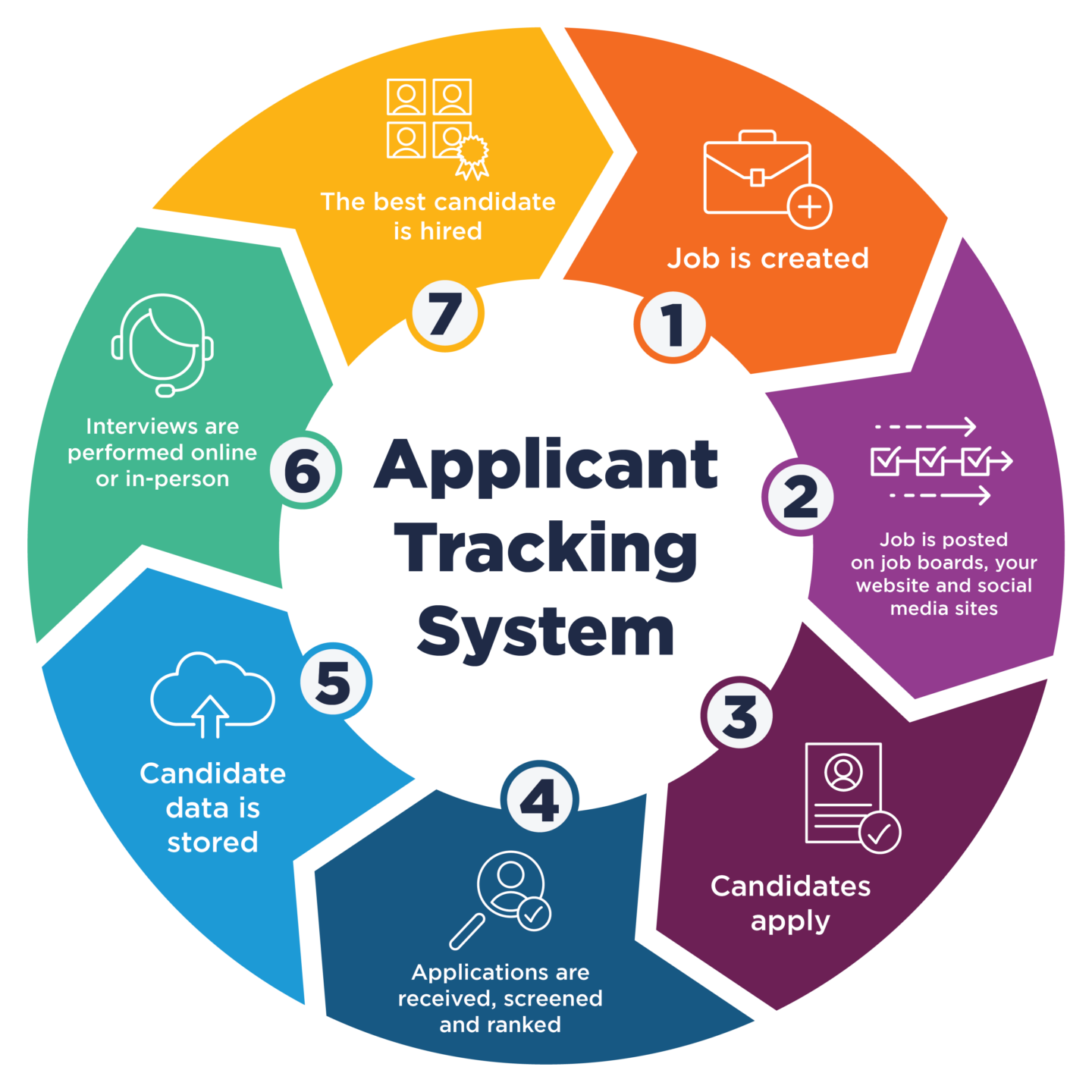
Traditionally, Applicant Tracking Systems (ATS) and Customer Relationship Management (CRM) systems have operated independently, serving distinct purposes within organizations. ATS systems are primarily designed for managing the recruitment process, from sourcing candidates to tracking applications and facilitating hiring decisions. On the other hand, CRM systems focus on managing customer interactions, nurturing leads, and optimizing sales efforts. However, the lines between these two systems are blurring as organizations recognize the interconnectedness of talent acquisition and customer engagement.
Integration of ATS and CRM
The integration of ATS and CRM systems creates a unified platform that streamlines the management of both candidates and customers. This convergence offers several advantages, including:
Shared Data and Insights
- Integrating ATS and CRM allows for the sharing of data and insights across both systems. This enables organizations to gain a holistic view of their talent pipeline and customer base.
- For example, a company can leverage customer data from its CRM to identify potential candidates with relevant skills and experience. Conversely, candidate information from the ATS can be used to tailor marketing campaigns and sales pitches to specific target audiences.
Streamlined Processes
- The integration of ATS and CRM can streamline recruitment and sales processes by automating tasks and eliminating redundancies.
- For instance, candidate applications can be automatically routed to relevant sales teams based on their skills and experience. Similarly, CRM data can be used to pre-qualify candidates for specific roles, reducing the time and effort required for screening.
Enhanced Customer Experience
- By combining candidate and customer data, organizations can provide a more personalized and consistent experience for both groups.
- For example, a company can leverage CRM data to understand customer preferences and tailor recruitment messages accordingly. This can help to attract and retain top talent by demonstrating a genuine interest in their needs and aspirations.
Examples of Convergence, Ats and crm in one
Several companies have successfully implemented integrated ATS and CRM systems to streamline their operations and enhance customer engagement. For example, Salesforce, a leading CRM provider, has integrated its platform with various ATS solutions, allowing businesses to manage both candidates and customers within a single system. This integration enables Salesforce users to leverage customer data to identify potential candidates and personalize recruitment messages. Similarly, LinkedIn, a professional networking platform, has introduced features that enable companies to leverage their existing network to source candidates and engage with potential customers.
The convergence of ATS and CRM represents a significant shift in how organizations manage their talent and customer relationships. By integrating these systems, businesses can gain a comprehensive understanding of their stakeholders, streamline their processes, and enhance their overall performance.
Benefits of a Combined ATS and CRM System
The integration of Applicant Tracking Systems (ATS) and Customer Relationship Management (CRM) systems creates a powerful synergy, enabling organizations to streamline their talent acquisition and customer engagement processes. This unified approach offers a comprehensive view of both candidates and customers, fostering a more efficient and effective operational model.
Improved Candidate Experience
A combined ATS and CRM system can significantly enhance the candidate experience by providing a seamless and personalized journey. By leveraging shared data and communication channels, organizations can:
- Streamline communication: Candidates can receive consistent and timely updates throughout the recruitment process, regardless of whether they are interacting with the ATS or CRM system. This ensures a smooth and transparent experience, reducing frustration and enhancing candidate satisfaction.
- Personalize interactions: The system can automatically tailor communication and content based on candidate profiles and preferences, making the experience more relevant and engaging. For example, candidates can receive targeted job recommendations, tailored interview questions, and personalized follow-up messages.
- Reduce time-to-hire: By streamlining communication and simplifying the application process, a combined system can significantly reduce the time it takes to hire qualified candidates. This allows organizations to quickly fill open positions and accelerate their growth.
Enhanced Sales Conversion Rates
By combining ATS and CRM data, organizations can gain valuable insights into customer behavior and preferences, which can be leveraged to improve sales conversion rates. This integration allows organizations to:
- Identify potential customers: By analyzing candidate data, organizations can identify individuals who may be interested in their products or services. This allows them to proactively reach out to these individuals with tailored marketing campaigns and sales pitches.
- Personalize sales interactions: The system can track customer interactions and preferences, enabling sales teams to personalize their outreach and tailor their sales strategies to individual needs. This can lead to higher conversion rates and improved customer satisfaction.
- Increase customer retention: By leveraging data from both the ATS and CRM systems, organizations can gain a deeper understanding of customer needs and preferences. This allows them to provide personalized support and services, fostering stronger customer relationships and increasing retention rates.
Data-Driven Decision-Making
A unified ATS and CRM platform provides a single source of truth for all candidate and customer data, enabling organizations to make more informed and data-driven decisions. By analyzing this data, organizations can:
- Track key metrics: The system can track key performance indicators (KPIs) related to talent acquisition and customer engagement, such as time-to-hire, conversion rates, and customer satisfaction. This data provides valuable insights into the effectiveness of various strategies and processes.
- Identify trends and patterns: By analyzing data from both candidate and customer interactions, organizations can identify emerging trends and patterns. This information can be used to refine recruitment strategies, improve sales processes, and optimize customer engagement initiatives.
- Optimize resource allocation: By understanding the performance of different recruitment channels and sales strategies, organizations can allocate resources more effectively. This ensures that resources are directed towards the most successful initiatives, maximizing ROI and improving overall efficiency.
Key Features of an Integrated ATS and CRM System
An integrated Applicant Tracking System (ATS) and Customer Relationship Management (CRM) system brings together the best of both worlds, creating a powerful platform for managing the entire customer lifecycle, from initial contact to post-hire/sale follow-up. This integration streamlines processes, improves efficiency, and ultimately leads to better outcomes for both recruitment and sales.
Candidate Sourcing and Lead Generation
The integration of ATS and CRM allows for seamless candidate sourcing and lead generation. This unified platform provides a centralized repository for all candidate and prospect data, enabling recruiters and sales professionals to leverage a single source of truth. This eliminates the need for duplicate data entry and ensures consistent information across all departments.
- Candidate Sourcing: By integrating with job boards, social media platforms, and other recruitment channels, the system can automatically pull in relevant candidate profiles. This saves time and effort for recruiters, allowing them to focus on more strategic tasks.
- Lead Generation: The CRM component allows for capturing and nurturing leads from various sources, including website forms, marketing campaigns, and events. This provides a comprehensive view of potential customers and enables sales teams to prioritize leads based on their likelihood of conversion.
Candidate Screening and Lead Qualification
The integrated system facilitates efficient candidate screening and lead qualification. By leveraging data analytics and automation, the platform can identify the most qualified candidates and leads based on pre-defined criteria. This helps to reduce time spent on unqualified candidates and leads, allowing teams to focus on those with the highest potential.
- Candidate Screening: The ATS component uses automated screening tools to assess candidates based on their skills, experience, and other relevant factors. This allows recruiters to quickly filter out unqualified candidates and focus on those who meet the specific requirements of the role.
- Lead Qualification: The CRM component uses lead scoring models to evaluate the quality of leads based on their engagement with marketing campaigns, website activity, and other relevant metrics. This helps sales teams prioritize leads with the highest likelihood of conversion.
Communication and Engagement Tools
The integrated system provides robust communication and engagement tools to foster relationships with candidates and customers. This includes features for automated email campaigns, personalized messaging, and real-time tracking of interactions. These tools help to build strong relationships, improve communication efficiency, and ultimately lead to better outcomes.
- Candidate Communication: The ATS component allows for automated email communication with candidates, including personalized updates on their application status, interview scheduling, and job offer details. This ensures a consistent and professional experience for all candidates.
- Customer Engagement: The CRM component enables personalized communication with customers, including targeted marketing campaigns, tailored product recommendations, and proactive follow-up after sales. This helps to build strong relationships and drive customer loyalty.
Talent Management and Customer Relationship Management
The integrated system streamlines talent management and customer relationship management processes. By providing a unified platform for managing both candidates and customers, the system simplifies workflows and eliminates data silos. This enables organizations to make more informed decisions about talent acquisition and customer engagement.
| Feature | Recruitment Benefits | Sales Benefits |
|---|---|---|
| Candidate Sourcing | Improved access to a wider pool of qualified candidates | Enhanced lead generation and prospecting capabilities |
| Candidate Screening | Faster and more efficient screening process, reducing time to hire | Streamlined lead qualification and prioritization |
| Communication and Engagement | Improved candidate experience through personalized communication and timely updates | Enhanced customer relationships through personalized communication and proactive follow-up |
| Talent Management | Simplified onboarding and training processes, improved employee retention | Improved customer satisfaction and loyalty through targeted engagement and relationship management |
Implementation and Integration Challenges
Implementing and integrating an ATS and CRM system can present significant challenges. While the benefits of a combined system are undeniable, organizations must carefully consider the technical and organizational aspects to ensure a successful integration. This section delves into the potential challenges and provides recommendations for overcoming them.
Technical Challenges
Technical challenges are inherent in any software integration. The integration of an ATS and CRM system involves aligning data structures, ensuring data integrity, and managing potential conflicts.
- Data Mapping and Standardization: One of the biggest challenges is mapping data fields between the ATS and CRM systems. Different systems often use varying data structures, making it crucial to standardize data fields and ensure consistency. For example, contact information in the CRM might need to be aligned with candidate information in the ATS. This can involve complex data transformations and require careful planning and execution.
- Data Integrity and Synchronization: Maintaining data integrity is critical. Data synchronization between the ATS and CRM is crucial to ensure that both systems have the same information. This includes preventing data duplication and ensuring that changes made in one system are reflected in the other.
- API Integration and Compatibility: The success of the integration relies on the availability and compatibility of APIs (Application Programming Interfaces). APIs allow systems to communicate and exchange data. If the APIs are not compatible or do not offer the necessary functionality, integration can become difficult and potentially impossible.
- Security and Compliance: Integrating systems raises security concerns. Organizations must ensure that the integration process does not compromise sensitive data. Compliance with relevant regulations, such as GDPR (General Data Protection Regulation) or HIPAA (Health Insurance Portability and Accountability Act), is also critical.
Outcome Summary: Ats And Crm In One
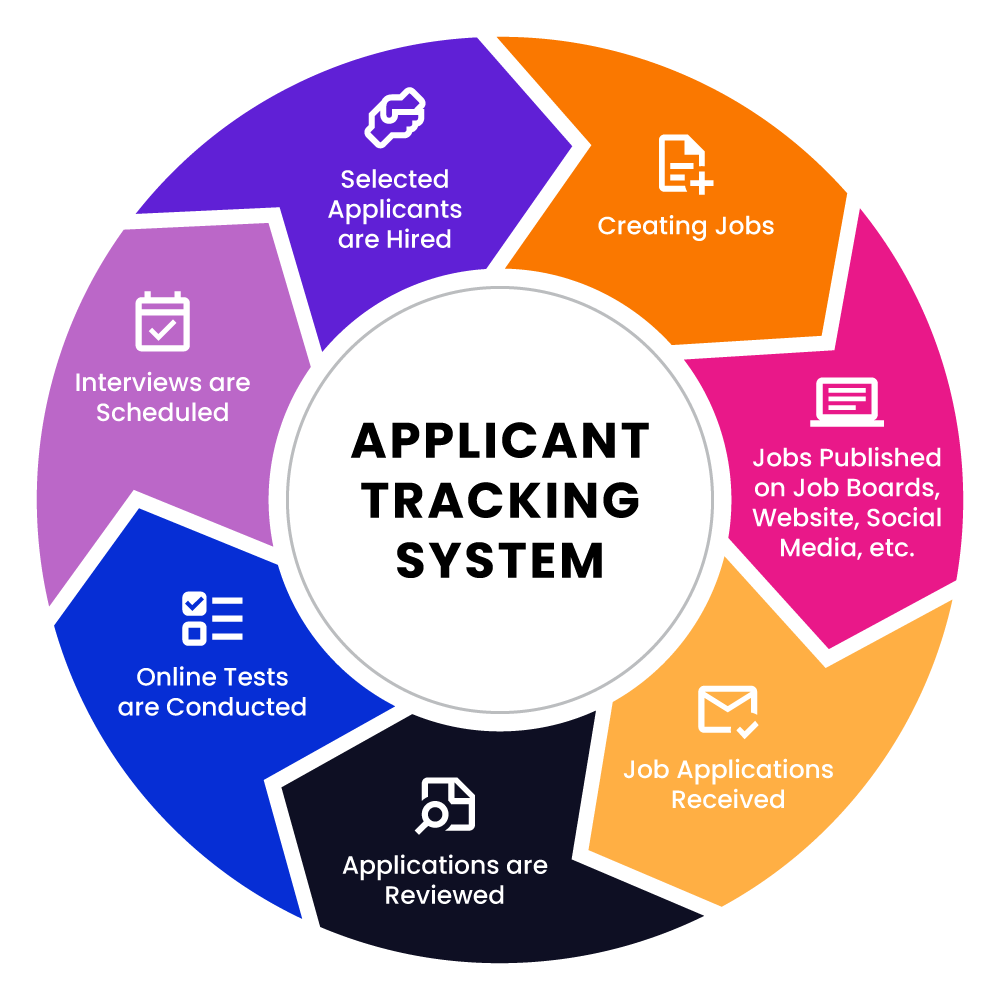
The convergence of ATS and CRM represents a powerful evolution in business operations, offering a unified platform for managing candidates and customers with enhanced efficiency and data-driven decision-making. By embracing this integration, businesses can unlock a wealth of opportunities to optimize processes, improve customer and candidate experiences, and drive growth across all aspects of their operations.
FAQ Resource
What are the main challenges of implementing an integrated ATS and CRM system?
Implementing an integrated ATS and CRM system can present challenges related to data migration, system compatibility, user training, and organizational adoption. Careful planning, technical expertise, and effective communication are crucial for overcoming these hurdles.
How can AI and ML enhance the functionality of an integrated ATS and CRM system?
AI and ML can automate tasks, personalize communication, provide predictive analytics, and optimize decision-making processes within an integrated ATS and CRM system. These technologies can enhance candidate and customer engagement, improve efficiency, and drive better business outcomes.