Leading CRM, a powerful tool that revolutionizes customer engagement and business growth, is no longer just a buzzword. It’s a vital strategy for companies seeking to unlock their full potential in today’s competitive landscape.
Imagine a system that not only tracks your customers’ interactions but also predicts their needs, anticipates their desires, and guides them towards a seamless and satisfying experience. That’s the power of a leading CRM, and it’s changing the way businesses connect with their customers.
Defining “Leading CRM”
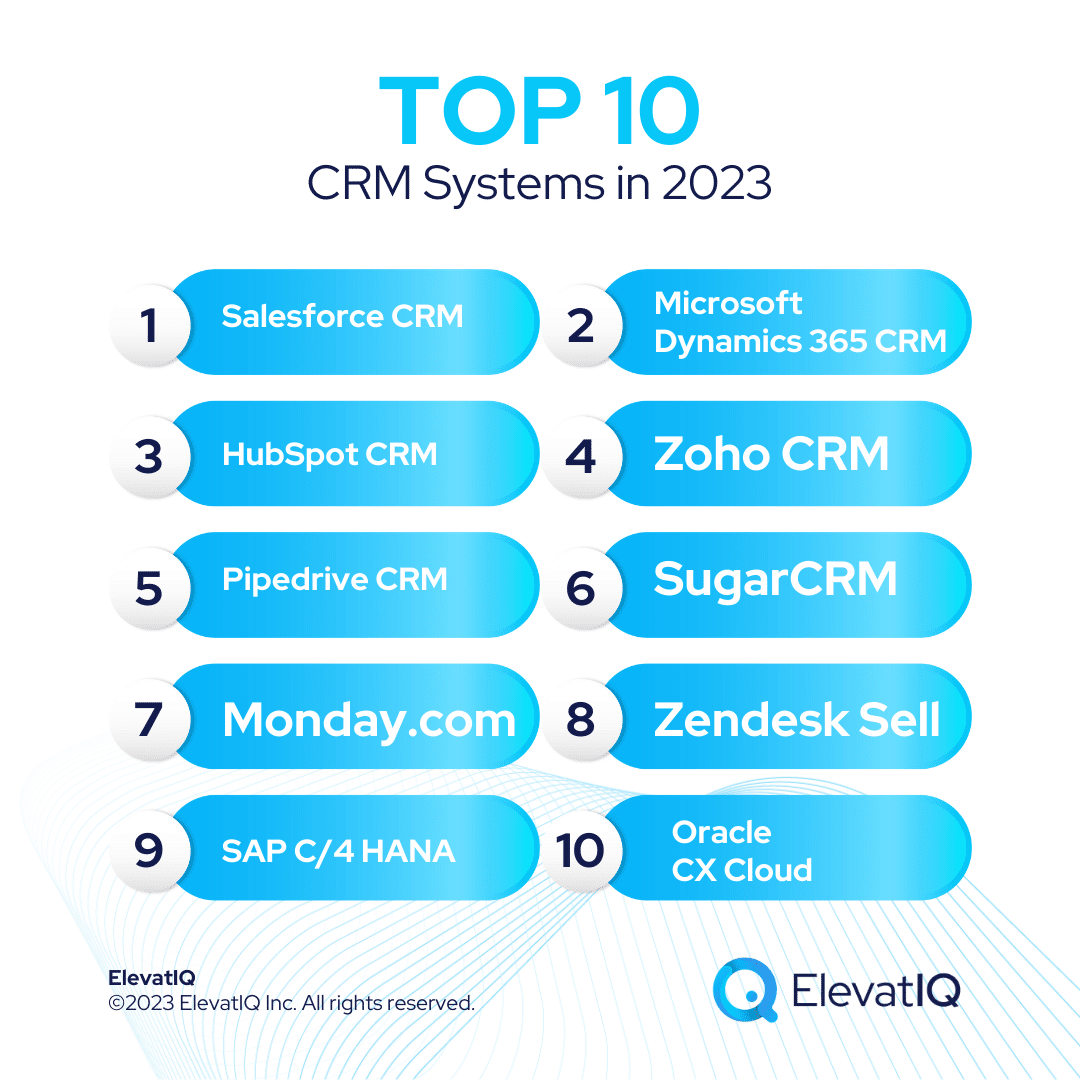
A Customer Relationship Management (CRM) system is a software application that helps businesses manage and analyze customer interactions and data. It plays a crucial role in improving customer service, sales, and marketing efforts. But what makes a CRM “leading”? This section delves into the essential features and factors that define a leading CRM system.
Core Functionalities of a CRM System
CRM systems are designed to streamline and optimize various aspects of customer interactions. They offer a comprehensive suite of functionalities, including:
- Contact Management: Storing and managing customer information, such as names, addresses, phone numbers, email addresses, and purchase history. This allows businesses to personalize communications and tailor their offerings.
- Sales Automation: Automating sales processes, including lead generation, lead nurturing, opportunity management, and forecasting. This helps sales teams optimize their time and increase productivity.
- Marketing Automation: Automating marketing campaigns, including email marketing, social media marketing, and content marketing. This enables businesses to reach their target audience effectively and track campaign performance.
- Customer Service Management: Providing a centralized platform for managing customer support inquiries, tracking issues, and resolving problems. This helps businesses improve customer satisfaction and loyalty.
- Reporting and Analytics: Providing insights into customer behavior, sales performance, and marketing effectiveness. This enables businesses to make data-driven decisions and optimize their strategies.
Factors Contributing to a Leading CRM
Beyond the core functionalities, several factors contribute to a CRM being considered “leading.” These factors encompass:
- User-Friendliness: A leading CRM should be intuitive and easy to use, even for users with limited technical experience. This ensures widespread adoption and maximizes user engagement.
- Scalability: The CRM should be able to accommodate the growth of a business without compromising performance. This ensures that the system can handle increasing volumes of data and users.
- Integration Capabilities: The CRM should seamlessly integrate with other business applications, such as email marketing platforms, accounting software, and e-commerce platforms. This helps businesses create a unified ecosystem for managing customer data and processes.
- Security and Data Privacy: A leading CRM should prioritize data security and privacy, complying with industry standards and regulations. This ensures the protection of sensitive customer information.
- Customer Support: A robust customer support system is essential for providing timely assistance and resolving any issues that users may encounter. This helps ensure user satisfaction and long-term success.
Key Metrics for Evaluating CRM Performance
To evaluate the effectiveness of a CRM system, businesses can track various metrics, including:
- Customer Acquisition Cost (CAC): The cost of acquiring a new customer. This metric helps businesses understand the efficiency of their marketing and sales efforts.
- Customer Lifetime Value (CLTV): The total revenue a customer generates over their relationship with the business. This metric helps businesses identify their most valuable customers and tailor their strategies accordingly.
- Customer Satisfaction (CSAT): A measure of customer satisfaction with the products or services provided. This metric helps businesses identify areas for improvement and enhance the customer experience.
- Net Promoter Score (NPS): A measure of customer loyalty and willingness to recommend a business to others. This metric provides insights into customer sentiment and brand advocacy.
- Return on Investment (ROI): The return generated from investing in a CRM system. This metric helps businesses justify the investment and demonstrate the value of the CRM.
Benefits of Implementing a Leading CRM

A leading CRM system can be a game-changer for businesses of all sizes, offering a range of benefits that drive growth and customer satisfaction. By centralizing customer data, automating processes, and providing insightful analytics, a leading CRM empowers businesses to build stronger relationships, improve efficiency, and ultimately achieve their goals.
Improved Customer Engagement and Satisfaction
A leading CRM system plays a crucial role in enhancing customer engagement and satisfaction. By providing a unified view of customer interactions, businesses can tailor their communication and services to individual needs and preferences. This personalized approach fosters a sense of value and connection, leading to increased customer loyalty and retention.
- Personalized Communication: CRM systems enable businesses to send targeted messages and offers based on customer data, ensuring relevance and impact. For instance, a retail store can send personalized recommendations to customers based on their past purchases and browsing history.
- Proactive Support: By tracking customer interactions and identifying potential issues, CRM systems allow businesses to proactively address concerns before they escalate. For example, a CRM can flag customers who have recently experienced a technical issue, enabling support teams to reach out and offer assistance.
- Enhanced Customer Experience: CRM systems provide a centralized platform for managing customer interactions, ensuring consistency and a seamless experience across all touchpoints. This includes interactions with sales, marketing, and support teams, ensuring a unified brand message and a positive customer journey.
Increased Sales Productivity and Revenue Growth
A leading CRM system can significantly boost sales productivity and drive revenue growth by streamlining processes, providing valuable insights, and empowering sales teams to focus on high-value activities.
- Lead Management: CRM systems help businesses effectively manage and nurture leads, ensuring that no opportunity is missed. They provide tools for tracking lead progress, assigning leads to sales representatives, and automating follow-up communication.
- Sales Forecasting: By analyzing historical data and current trends, CRM systems enable businesses to accurately forecast sales performance and make informed decisions about resource allocation and marketing campaigns. For example, a CRM can predict future sales based on past patterns of customer behavior and seasonal trends.
- Sales Pipeline Visibility: CRM systems offer a comprehensive view of the sales pipeline, enabling businesses to track the progress of deals and identify potential bottlenecks. This allows sales managers to monitor team performance and provide targeted support to individual representatives.
Enhanced Marketing Effectiveness and Campaign Performance
A leading CRM system empowers businesses to optimize their marketing efforts and improve campaign performance by providing valuable insights into customer behavior and preferences.
- Targeted Marketing: By segmenting customers based on demographics, interests, and purchase history, businesses can create highly targeted marketing campaigns that resonate with specific audiences. For example, a CRM can help identify customers who are interested in specific products or services, allowing businesses to send tailored promotions and offers.
- Campaign Performance Tracking: CRM systems allow businesses to track the performance of marketing campaigns across multiple channels, providing valuable data on open rates, click-through rates, and conversions. This information can be used to optimize campaigns and allocate resources effectively.
- Marketing Automation: CRM systems offer tools for automating marketing tasks such as email campaigns, social media posts, and lead nurturing. This frees up marketing teams to focus on strategic initiatives and creative content development.
Key Features of Leading CRM Systems
Leading CRM systems offer a wide range of features to help businesses manage their customer relationships effectively. These features can be broadly categorized into core functionalities, advanced capabilities, and integrations.
Comparison of Features in Leading CRM Solutions
The following table compares the key features of three leading CRM solutions: Salesforce, HubSpot, and Microsoft Dynamics 365.
| Feature | Salesforce | HubSpot | Microsoft Dynamics 365 |
|---|---|---|---|
| Sales Automation | ✔ | ✔ | ✔ |
| Marketing Automation | ✔ | ✔ | ✔ |
| Customer Service | ✔ | ✔ | ✔ |
| Analytics and Reporting | ✔ | ✔ | ✔ |
| Mobile Access | ✔ | ✔ | ✔ |
| API Integrations | ✔ | ✔ | ✔ |
| Social Media Integration | ✔ | ✔ | ✔ |
| E-commerce Integration | ✔ | ✔ | ✔ |
| Workflow Automation | ✔ | ✔ | ✔ |
| Artificial Intelligence (AI) | ✔ | ✔ | ✔ |
Strengths and Weaknesses of Leading CRM Platforms
This table highlights the strengths and weaknesses of each CRM platform, providing insights into their suitability for different business needs.
| Platform | Strengths | Weaknesses |
|---|---|---|
| Salesforce | – Extensive features and functionalities – Robust platform with a large ecosystem of partners and apps – Strong focus on sales automation and customer service – Excellent scalability options |
– Can be complex and expensive – Requires significant training and implementation effort – May not be the best fit for small businesses with limited budgets |
| HubSpot | – User-friendly interface and intuitive design – Strong focus on marketing automation and inbound marketing – Offers a free plan for small businesses – Relatively affordable compared to Salesforce |
– Limited customization options compared to Salesforce – May not be suitable for complex sales processes – Fewer integrations compared to Salesforce |
| Microsoft Dynamics 365 | – Deep integration with Microsoft Office 365 – Strong focus on business intelligence and data analytics – Suitable for businesses with complex needs – Offers a range of pricing options to suit different budgets |
– Can be complex to implement and configure – May not be as user-friendly as HubSpot – Fewer integrations compared to Salesforce |
Pricing Models and Scalability Options
Different CRM systems offer various pricing models and scalability options to cater to businesses of all sizes and budgets.
| Platform | Pricing Model | Scalability Options |
|---|---|---|
| Salesforce | – Subscription-based model with different tiers – Pricing based on the number of users and features – Offers a free trial for evaluation |
– Highly scalable, catering to businesses of all sizes – Offers a wide range of options for customization and integration |
| HubSpot | – Free plan for small businesses – Subscription-based model with different tiers – Pricing based on the number of users and features |
– Scalable for businesses of all sizes – Offers a range of options for customization and integration |
| Microsoft Dynamics 365 | – Subscription-based model with different tiers – Pricing based on the number of users and features – Offers a free trial for evaluation |
– Highly scalable, catering to businesses of all sizes – Offers a wide range of options for customization and integration |
Industry-Specific CRM Solutions
A leading CRM system should be able to adapt to the unique requirements of different industries. Industries like healthcare, finance, and retail have specific needs that necessitate customized CRM solutions. This section explores the industry-specific CRM solutions and their features, offering insights into how these solutions can help businesses achieve their goals.
Healthcare CRM Solutions
Healthcare CRM solutions are designed to meet the specific needs of healthcare providers, including hospitals, clinics, and pharmaceutical companies. These solutions help healthcare organizations manage patient relationships, improve patient engagement, and enhance operational efficiency. Here are some of the key features of healthcare CRM solutions:
- Patient Relationship Management: Healthcare CRM solutions enable healthcare providers to track patient interactions, manage patient records, and personalize communication with patients. This helps improve patient satisfaction and loyalty.
- Appointment Scheduling: Healthcare CRM solutions offer integrated appointment scheduling features that allow patients to book appointments online or through a mobile app. This streamlines the appointment process and reduces wait times.
- Patient Education and Outreach: Healthcare CRM solutions facilitate patient education and outreach programs. They allow healthcare providers to send targeted messages and educational materials to patients based on their specific needs and health conditions.
- Compliance and Security: Healthcare CRM solutions are designed to comply with industry regulations such as HIPAA (Health Insurance Portability and Accountability Act). They incorporate robust security features to protect patient data privacy.
Finance CRM Solutions
Financial institutions, including banks, insurance companies, and investment firms, require specialized CRM solutions to manage customer relationships effectively. These solutions help financial institutions understand customer needs, personalize financial products and services, and enhance customer service. Here are some key features of finance CRM solutions:
- Customer Segmentation and Targeting: Finance CRM solutions enable financial institutions to segment customers based on their financial profiles, risk tolerance, and investment goals. This allows them to target specific customer segments with tailored financial products and services.
- Financial Planning and Analysis: Finance CRM solutions provide tools for financial planning and analysis, helping financial institutions to understand customer financial needs and provide personalized financial advice.
- Regulatory Compliance: Finance CRM solutions comply with industry regulations such as KYC (Know Your Customer) and AML (Anti-Money Laundering) requirements. They help financial institutions manage customer due diligence and risk assessment.
- Fraud Detection and Prevention: Finance CRM solutions can incorporate fraud detection and prevention features to identify and mitigate potential fraudulent activities. This helps protect financial institutions and their customers from financial losses.
Retail CRM Solutions
Retail CRM solutions are designed to help retailers manage customer relationships, improve customer loyalty, and drive sales. These solutions provide retailers with a comprehensive view of customer behavior, preferences, and purchase history. Here are some key features of retail CRM solutions:
- Customer Segmentation and Targeting: Retail CRM solutions enable retailers to segment customers based on their demographics, purchase history, and shopping preferences. This allows them to target specific customer segments with personalized promotions and offers.
- Loyalty Programs: Retail CRM solutions facilitate the creation and management of loyalty programs, rewarding customers for their repeat purchases and engagement.
- Personalized Recommendations: Retail CRM solutions can provide personalized product recommendations to customers based on their purchase history and browsing behavior. This helps increase sales and customer satisfaction.
- Inventory Management: Retail CRM solutions can integrate with inventory management systems to provide real-time inventory data and ensure product availability. This helps improve customer experience and reduce lost sales.
Integration and Customization
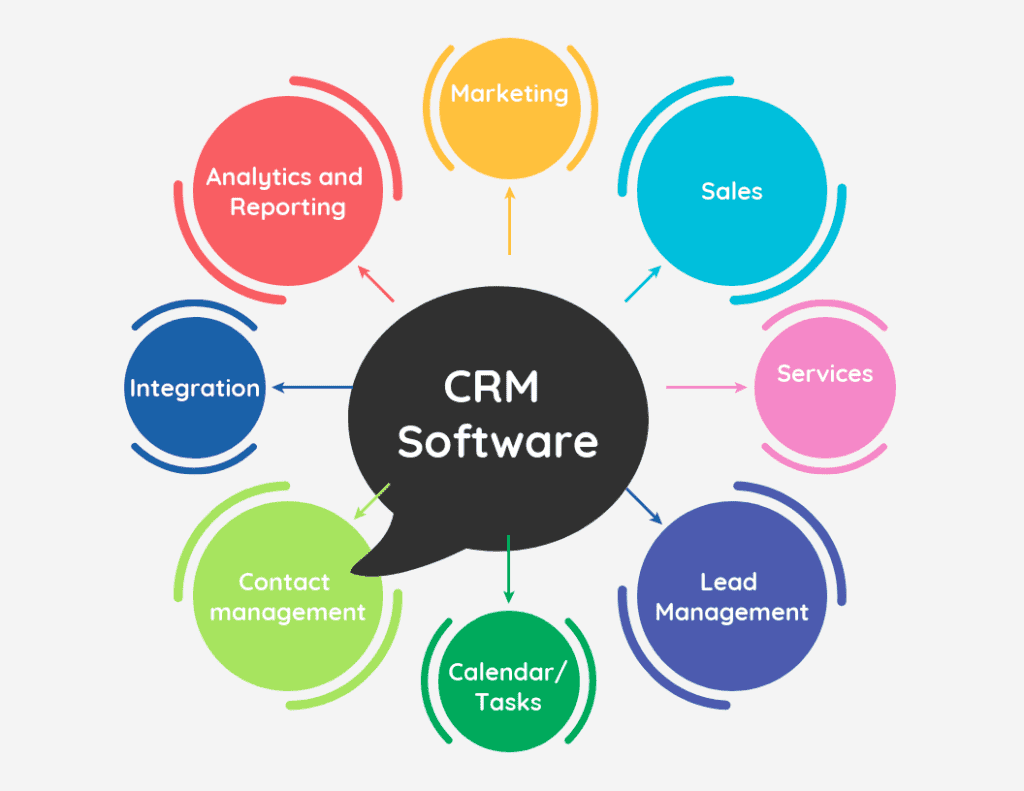
A leading CRM’s value extends beyond its core functionalities. Its ability to seamlessly integrate with other business systems and adapt to specific needs significantly amplifies its impact. This integration and customization capability unlocks a world of possibilities, transforming CRM from a standalone tool into a central hub for business operations.
Integration with Other Business Systems
CRM integration with other business systems is crucial for creating a holistic view of customer interactions and streamlining business processes. This interconnectedness eliminates data silos, fosters data consistency, and facilitates a more informed approach to customer engagement.
- Email Marketing: Integrating CRM with email marketing platforms allows for targeted email campaigns based on customer behavior, preferences, and purchase history. This personalized approach increases campaign effectiveness and customer engagement.
- Social Media: CRM integration with social media platforms enables tracking customer interactions, sentiment analysis, and targeted social media marketing campaigns. This integration allows businesses to leverage social media insights for customer engagement and brand building.
- Analytics: Integrating CRM with analytics platforms provides valuable insights into customer behavior, sales trends, and marketing campaign performance. This data-driven approach allows businesses to optimize their strategies and make informed decisions.
Benefits of CRM Customization
Customization empowers businesses to tailor their CRM system to their unique requirements, processes, and workflows. This flexibility ensures the CRM aligns with the specific needs of the organization, maximizing its value and efficiency.
- Improved Efficiency: Customizing workflows, reports, and dashboards streamlines processes, reduces manual tasks, and improves overall efficiency. This allows employees to focus on high-value activities and enhance productivity.
- Enhanced User Experience: Customizing the CRM interface with relevant fields, layouts, and functionalities improves user experience, making the system more intuitive and user-friendly. This encourages adoption and engagement, leading to better data quality and utilization.
- Increased Revenue: Customizing the CRM to support specific sales processes, marketing campaigns, and customer service strategies can directly impact revenue generation. This tailored approach allows businesses to effectively target customers, personalize interactions, and drive sales.
Choosing the Right CRM for Your Business
Selecting the right CRM system is crucial for your business’s success. A well-chosen CRM can streamline your operations, enhance customer relationships, and drive revenue growth. However, with numerous CRM options available, choosing the best fit for your specific needs can be challenging.
Factors to Consider When Selecting a CRM
The decision of choosing a CRM system requires careful consideration of various factors that align with your business objectives and specific requirements. It’s essential to assess these factors to ensure the chosen CRM effectively addresses your needs and provides the desired benefits.
- Business Size and Industry: The size and nature of your business significantly influence the CRM features and functionalities you need. Small businesses might require a simpler CRM with basic features, while large enterprises might need a more comprehensive solution with advanced functionalities. Additionally, industry-specific requirements, such as those for healthcare or finance, necessitate specialized CRM solutions.
- Budget and Cost: CRM systems vary in price, ranging from affordable cloud-based solutions to more expensive enterprise-level software. It’s crucial to determine your budget constraints and choose a CRM that offers the best value for your investment. Consider factors such as implementation costs, ongoing maintenance fees, and user licenses.
- Features and Functionality: Identify the specific features and functionalities you need in a CRM system. This includes aspects such as contact management, lead generation, sales pipeline management, marketing automation, customer support, and reporting. Evaluate whether the CRM offers the necessary tools to support your business processes and achieve your goals.
- Integration Capabilities: Consider the integration capabilities of the CRM system with your existing business applications, such as email marketing platforms, accounting software, and social media tools. Seamless integration ensures data consistency and streamlines workflows across different systems.
- Scalability and Flexibility: Choose a CRM system that can grow with your business. Consider factors such as the ability to add users, increase storage capacity, and adapt to changing business requirements. Scalability and flexibility are crucial for long-term growth and adaptability.
- User Experience and Interface: The CRM system should be user-friendly and intuitive. Look for a system with a clean and modern interface that is easy to navigate and understand. Consider factors such as mobile accessibility, customization options, and training resources.
- Customer Support and Training: Ensure the CRM vendor provides adequate customer support and training resources. This includes technical assistance, documentation, and onboarding support. A reliable vendor with strong customer support can help you maximize the benefits of your CRM investment.
Evaluating and Choosing the Right CRM System
Once you have identified the key factors to consider, you can proceed with evaluating and selecting the most suitable CRM system for your business. A systematic approach ensures you make an informed decision that aligns with your needs and budget.
- Define Your Requirements: Start by clearly defining your business objectives and the specific features and functionalities you need from a CRM system. This step involves analyzing your current processes, identifying pain points, and outlining your desired outcomes.
- Research CRM Vendors: Research different CRM vendors and their offerings. Explore industry reviews, testimonials, and comparisons to understand the strengths and weaknesses of each vendor. Look for vendors that have a proven track record, a strong reputation, and a commitment to customer satisfaction.
- Request Demonstrations: Request demonstrations from shortlisted vendors to gain a firsthand understanding of their CRM systems. Pay attention to the user interface, features, functionalities, and integration capabilities. Ask questions about pricing, implementation, and support services.
- Compare and Contrast: After evaluating the different CRM options, compare and contrast their features, functionalities, pricing, and support services. Create a matrix or spreadsheet to help you visualize the key differences and make an informed decision.
- Pilot Testing: If possible, conduct a pilot test with a few shortlisted CRM systems. This allows you to experience the software firsthand, test its features, and assess its suitability for your business needs.
- Negotiate and Finalize: Once you have chosen the best CRM system, negotiate the terms of the contract with the vendor. This includes pricing, implementation timelines, support services, and data security measures. Ensure the agreement clearly Artikels the responsibilities of both parties.
Conducting a Thorough CRM Vendor Evaluation Process
A comprehensive vendor evaluation process is essential for selecting the right CRM system. It helps you identify the most suitable solution based on your specific requirements and ensures a successful implementation.
- Vendor Background and Reputation: Research the vendor’s history, financial stability, and track record. Look for a vendor with a proven track record of delivering successful CRM implementations. Check industry reviews, testimonials, and case studies to understand the vendor’s reputation.
- CRM System Features and Functionality: Evaluate the CRM system’s features and functionalities to ensure they meet your specific needs. Consider factors such as contact management, lead generation, sales pipeline management, marketing automation, customer support, and reporting. Look for a system that offers the necessary tools to support your business processes and achieve your goals.
- Integration Capabilities: Assess the CRM system’s integration capabilities with your existing business applications, such as email marketing platforms, accounting software, and social media tools. Seamless integration ensures data consistency and streamlines workflows across different systems.
- Scalability and Flexibility: Consider the CRM system’s scalability and flexibility to ensure it can grow with your business. Look for a system that can accommodate future growth, including adding users, increasing storage capacity, and adapting to changing business requirements.
- User Experience and Interface: Evaluate the CRM system’s user experience and interface to ensure it is user-friendly and intuitive. Look for a system with a clean and modern interface that is easy to navigate and understand. Consider factors such as mobile accessibility, customization options, and training resources.
- Customer Support and Training: Assess the vendor’s customer support and training resources. Look for a vendor that provides comprehensive support, including technical assistance, documentation, and onboarding support. A reliable vendor with strong customer support can help you maximize the benefits of your CRM investment.
- Security and Data Privacy: Evaluate the vendor’s security measures and data privacy practices. Ensure the CRM system adheres to industry standards and complies with relevant regulations. Look for a vendor that prioritizes data security and protects your customer information.
- Pricing and Value: Consider the CRM system’s pricing structure and value proposition. Look for a system that offers a fair price for its features and functionalities. Evaluate the total cost of ownership, including implementation costs, ongoing maintenance fees, and user licenses.
Implementation and Adoption
Implementing a leading CRM system is a crucial step in leveraging its benefits. It involves a structured process to ensure successful integration and adoption within your organization. This section will delve into the key steps involved in implementing a leading CRM system, best practices for ensuring successful adoption, and strategies for overcoming resistance to CRM implementation.
Key Steps in CRM Implementation
The implementation process involves a series of steps to ensure a smooth transition and successful adoption of the CRM system.
- Planning and Requirements Gathering: This initial step involves defining clear objectives for CRM implementation, identifying key stakeholders, and gathering comprehensive requirements. This includes understanding existing processes, data sources, and user needs to tailor the CRM system effectively.
- Selection and Configuration: Choosing the right CRM system is crucial for success. Consider factors such as scalability, features, integration capabilities, and budget. Once selected, configure the CRM system to match your specific business needs and processes, including customizing fields, workflows, and reporting dashboards.
- Data Migration and Integration: Transferring existing customer data from legacy systems to the CRM is essential. Ensure data integrity and accuracy during the migration process. Integrate the CRM system with other critical business applications, such as email marketing platforms, accounting software, and customer support systems, to streamline operations and provide a unified view of customer data.
- User Training and Onboarding: Effective training is vital for successful adoption. Provide comprehensive user training on the CRM system’s features, functionalities, and best practices. Offer ongoing support and resources to address user queries and facilitate smooth transition to the new system.
- Testing and Deployment: Thoroughly test the CRM system before deploying it to ensure it meets your requirements and functions correctly. Conduct pilot programs with select users to identify potential issues and gather feedback. Once confident in the system’s functionality, deploy it across the organization.
- Monitoring and Optimization: Continuously monitor the CRM system’s performance and user adoption rates. Gather feedback from users and make necessary adjustments to improve the system’s effectiveness and user experience. Regular optimization ensures the CRM system remains aligned with evolving business needs and maximizes its value.
Best Practices for Successful CRM Adoption
Successful CRM adoption requires a comprehensive approach that addresses user needs, organizational culture, and change management.
- Clearly Define Goals and Objectives: Articulate the specific benefits of CRM implementation and how it aligns with overall business objectives. This helps to create a shared understanding and motivation for adoption across the organization.
- Engage Stakeholders and Secure Buy-in: Involve key stakeholders, including managers, employees, and customers, in the implementation process. This fosters a sense of ownership and promotes active participation in the adoption of the CRM system.
- Provide Comprehensive Training and Support: Offer tailored training programs that cater to different user roles and skill levels. Provide ongoing support and resources to address user queries and ensure they feel comfortable using the CRM system effectively.
- Incentivize Adoption and Track Progress: Implement incentives and rewards to encourage user adoption. Regularly track key performance indicators (KPIs) related to CRM usage and adoption to identify areas for improvement and celebrate successes.
- Foster a Culture of Collaboration and Communication: Encourage open communication and collaboration among users and departments. Create a culture where feedback is valued and used to continuously improve the CRM system and its adoption.
Overcoming Resistance to CRM Implementation
Resistance to CRM implementation is a common challenge. Understanding the root causes and implementing effective strategies can mitigate resistance and foster successful adoption.
- Address Concerns and Fears: Actively listen to user concerns and fears about the CRM system. Provide clear explanations, address misconceptions, and demonstrate the benefits of the system to alleviate anxieties.
- Involve Users in the Implementation Process: Engage users in the design, configuration, and testing phases of the CRM implementation. This gives them a sense of ownership and increases their likelihood of embracing the new system.
- Emphasize the Benefits of CRM: Clearly communicate the benefits of using the CRM system, such as improved customer service, increased sales efficiency, and better data insights. Use real-world examples and case studies to demonstrate the value of the system.
- Provide Ongoing Support and Resources: Offer comprehensive user training, documentation, and ongoing support to address any challenges users encounter. This helps to build confidence and encourage continued adoption.
- Recognize and Reward Early Adopters: Acknowledge and reward employees who are early adopters of the CRM system. This creates positive momentum and encourages others to follow suit.
Future Trends in CRM
The CRM landscape is constantly evolving, driven by technological advancements and changing customer expectations. Businesses need to stay ahead of the curve to leverage the latest trends and optimize their CRM strategies for success.
Artificial Intelligence and Machine Learning in CRM, Leading crm
AI and ML are transforming CRM by automating tasks, personalizing customer experiences, and providing valuable insights.
- Predictive Analytics: AI-powered CRM systems can analyze historical data and identify patterns to predict customer behavior, such as churn risk, purchase likelihood, and optimal communication channels. This enables businesses to proactively address customer needs and improve retention rates. For example, a CRM system can identify customers who are likely to churn based on their recent activity and send targeted offers or personalized support to prevent them from leaving.
- Chatbots and Virtual Assistants: AI-powered chatbots and virtual assistants are becoming increasingly sophisticated, providing 24/7 customer support, answering queries, and resolving issues. This enhances customer satisfaction and frees up human agents to focus on more complex tasks. For example, a chatbot can answer frequently asked questions about product features, order status, or shipping policies, while a virtual assistant can help customers schedule appointments or resolve billing issues.
- Personalized Recommendations: AI can analyze customer data to provide personalized recommendations for products, services, and content. This enhances the customer experience by offering relevant suggestions based on their preferences and past interactions. For example, a CRM system can recommend products that a customer is likely to be interested in based on their browsing history, purchase history, and demographics.
Data Analytics and Business Intelligence in CRM
CRM systems are becoming increasingly data-driven, providing businesses with powerful tools for analyzing customer data and gaining actionable insights.
- Customer Segmentation: CRM systems allow businesses to segment their customer base based on various criteria, such as demographics, purchase history, and engagement levels. This enables targeted marketing campaigns and personalized customer experiences. For example, a business can segment its customers into groups based on their purchase frequency and send tailored promotions to each group.
- Customer Journey Mapping: CRM systems can track customer interactions across multiple channels and create detailed customer journey maps. This helps businesses understand how customers interact with their brand and identify areas for improvement. For example, a business can use customer journey mapping to identify bottlenecks in the sales process or areas where customer experience is lacking.
- Real-Time Reporting and Dashboards: CRM systems provide real-time reporting and dashboards that offer a comprehensive view of customer activity, sales performance, and marketing effectiveness. This enables businesses to make data-driven decisions and optimize their operations. For example, a sales manager can use a CRM dashboard to track sales pipeline progress, identify top-performing sales reps, and analyze conversion rates.
Cloud-Based CRM and Mobile Accessibility
Cloud-based CRM systems offer several advantages, including scalability, affordability, and accessibility.
- Scalability and Flexibility: Cloud-based CRM systems can easily scale to accommodate growing businesses, allowing them to add users and features as needed. This eliminates the need for expensive hardware and software investments. For example, a startup can start with a basic CRM plan and upgrade to a more comprehensive plan as their business grows.
- Accessibility and Collaboration: Cloud-based CRM systems can be accessed from anywhere with an internet connection, enabling remote teams to collaborate and access customer data in real-time. This improves efficiency and productivity. For example, a sales team can access customer information and track sales progress while on the go.
- Integration with Other Tools: Cloud-based CRM systems can easily integrate with other business applications, such as email marketing platforms, social media tools, and accounting software. This streamlines workflows and reduces data silos. For example, a CRM system can integrate with an email marketing platform to automate email campaigns based on customer behavior.
Wrap-Up: Leading Crm
From understanding core functionalities to navigating industry-specific solutions, choosing the right CRM system is a crucial decision. By embracing the benefits of leading CRM and strategically integrating it into your operations, you can unlock a world of opportunities, fostering stronger customer relationships and driving lasting success for your business.
FAQ Explained
What are the key differences between leading CRM systems like Salesforce, HubSpot, and Microsoft Dynamics 365?
Each system offers distinct features and strengths. Salesforce excels in its comprehensive functionality and scalability, HubSpot focuses on marketing automation and ease of use, while Microsoft Dynamics 365 is known for its integration with Microsoft products and its robust business intelligence capabilities. The best choice depends on your specific business needs and budget.
How can I ensure a successful CRM implementation within my organization?
Successful implementation requires careful planning, stakeholder buy-in, and ongoing training. Start by clearly defining your business objectives, selecting the right system, and providing comprehensive training for your team. Regularly assess and adjust your CRM strategy to maximize its effectiveness.