CRM marketing campaigns are more than just sending out emails or running ads. They are about building meaningful relationships with customers, understanding their needs, and delivering personalized experiences that resonate. This approach goes beyond traditional marketing by leveraging customer data to tailor messages and offers, fostering loyalty and driving conversions.
By understanding the customer journey and leveraging data insights, businesses can create targeted campaigns that engage customers at every touchpoint. From welcome emails to personalized product recommendations, CRM marketing strategies can transform how businesses interact with their audience.
Defining CRM Marketing Campaigns
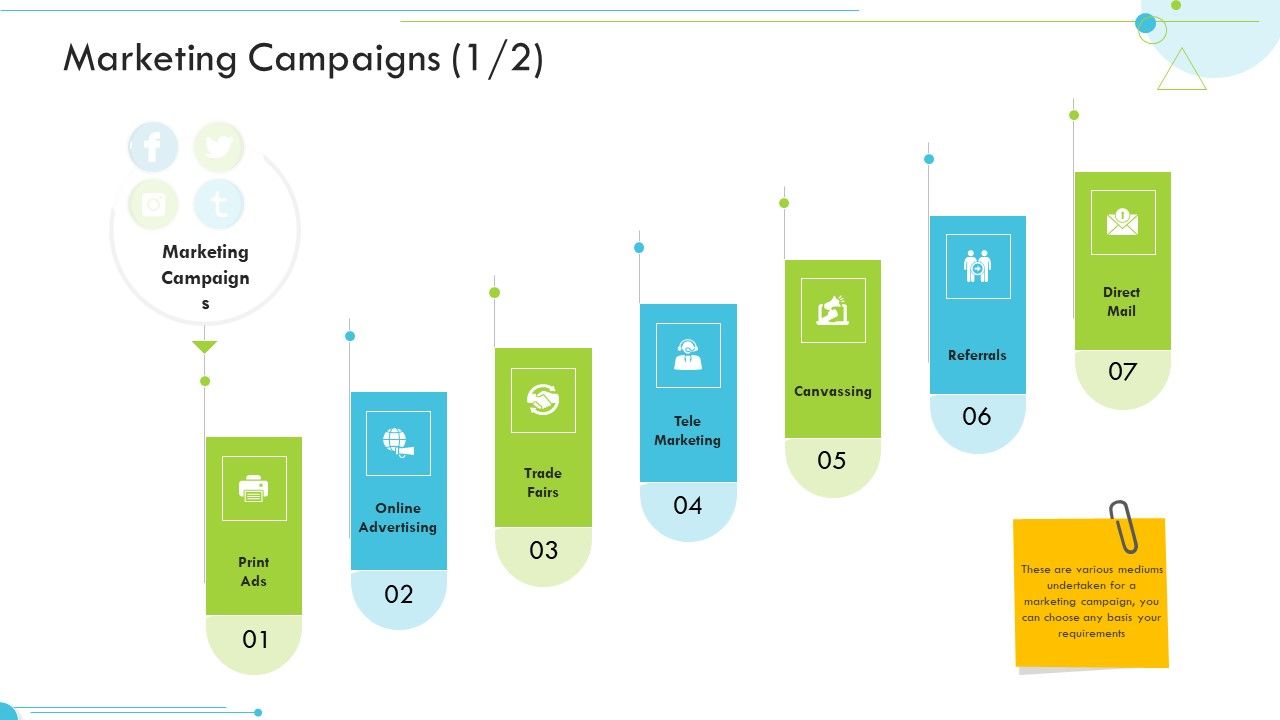
CRM marketing campaigns are strategic initiatives that leverage customer data to personalize marketing efforts and nurture customer relationships. They are a key component of modern marketing strategies, focusing on building long-term customer loyalty and driving sustainable growth.
Key Differences Between Traditional Marketing and CRM Marketing
Traditional marketing typically employs a broad approach, targeting large audiences with generic messages. In contrast, CRM marketing utilizes customer data to personalize messages and offers, tailoring them to individual preferences and needs.
- Traditional marketing often focuses on attracting new customers, while CRM marketing prioritizes nurturing existing customers and building lasting relationships.
- CRM marketing leverages customer data to segment audiences, enabling marketers to deliver highly targeted and relevant messages.
- Traditional marketing often relies on mass media channels, while CRM marketing utilizes a variety of channels, including email, SMS, social media, and website personalization, to reach customers where they are.
Examples of Successful CRM Marketing Campaigns
Successful CRM marketing campaigns demonstrate the power of personalization and customer engagement. Here are a few examples across different industries:
- Amazon: Amazon utilizes customer purchase history, browsing behavior, and product reviews to personalize product recommendations and email promotions, leading to increased sales and customer satisfaction.
- Starbucks: Starbucks’ loyalty program, “My Starbucks Rewards,” leverages customer data to offer personalized rewards and exclusive promotions, encouraging repeat purchases and fostering brand loyalty.
- Netflix: Netflix utilizes customer viewing history and preferences to recommend personalized content, enhancing user experience and driving engagement.
Key Elements of a CRM Marketing Campaign
A successful CRM marketing campaign is not simply about sending out mass emails or generic promotions. It requires a strategic approach that leverages customer data and insights to deliver personalized and engaging experiences. Here are the key elements that form the foundation of a well-structured CRM marketing campaign.
Customer Data Segmentation
Customer data segmentation is the process of dividing your customer base into distinct groups based on shared characteristics. This allows you to tailor your marketing messages and offers to specific segments, increasing the likelihood of engagement and conversion.
For example, you could segment your customers based on demographics (age, location, gender), purchase history (frequency, average order value), or behavioral data (website activity, email engagement).
Personalization and Tailored Messaging, Crm marketing campaign
Personalization is a crucial element of CRM marketing. By using customer data, you can create personalized messages and offers that resonate with individual customers. This can be achieved through:
- Personalized email subject lines: Using the customer’s name or referring to their previous purchases can increase open rates.
- Dynamic content: Displaying product recommendations based on browsing history or past purchases.
- Targeted promotions: Offering discounts or exclusive deals based on customer preferences or needs.
“Personalization is about making customers feel like they are the only ones who matter.” – Unknown
Strategies for Building a CRM Marketing Campaign
A well-structured CRM marketing campaign is vital for achieving your business goals. It involves a strategic approach that leverages customer data to create personalized and engaging experiences. By understanding your target audience, segmenting your customer base, and tailoring your messaging, you can build a campaign that resonates with your customers and drives conversions.
Step-by-Step Guide for Building a Successful CRM Marketing Campaign
This step-by-step guide Artikels the key stages involved in building a successful CRM marketing campaign.
- Define Your Goals: Clearly articulate your campaign objectives. What do you hope to achieve? Are you aiming to increase brand awareness, drive sales, or improve customer loyalty?
- Identify Your Target Audience: Determine the specific customer segments you want to reach. Consider their demographics, interests, and behaviors.
- Gather Customer Data: Collect relevant information about your customers through various sources, including website analytics, surveys, and purchase history.
- Segment Your Customer Base: Divide your customer list into groups based on shared characteristics. This allows for targeted messaging and personalized experiences.
- Choose Your CRM Marketing Channels: Select the most effective channels to reach your target audience. Consider email, SMS, social media, push notifications, and in-app messaging.
- Create Engaging Content: Develop compelling content that resonates with your audience and addresses their needs.
- Personalize Your Messages: Tailor your content and messaging to each customer segment. Use data to create personalized experiences.
- Set Up Your Campaign: Choose your CRM platform and configure your campaign settings. Schedule your messages and set up automation rules.
- Monitor and Analyze Results: Track your campaign performance using analytics dashboards. Analyze the data to identify areas for improvement.
- Optimize Your Campaign: Continuously refine your campaign based on your insights. A/B test different messages and channels to find what works best.
Effective CRM Marketing Tactics
CRM marketing tactics are designed to engage customers and nurture relationships. Here are some effective tactics and their applications:
- Welcome Emails: Send a personalized welcome email to new subscribers or customers. This is an opportunity to introduce your brand and offer a special discount or promotion.
- Abandoned Cart Emails: Recover lost sales by sending emails to customers who abandoned their shopping carts. Remind them of the items they left behind and offer a discount or free shipping.
- Product Recommendations: Suggest products that are relevant to the customer’s interests or purchase history. This can be done through email, website pop-ups, or social media ads.
- Birthday Emails: Send a personalized birthday message and offer a special discount or promotion. This shows customers that you value their business.
- Loyalty Programs: Reward customers for their repeat business. Offer points, discounts, or exclusive perks to encourage loyalty.
- Targeted Promotions: Send exclusive promotions and discounts to specific customer segments based on their interests or behaviors.
- Customer Surveys: Gather feedback from customers about their experiences. Use this information to improve your products and services.
- Personalized Content: Create content that is tailored to the individual customer’s interests. This can be done through email, website content, or social media posts.
CRM Marketing Channels
CRM marketing channels offer different ways to reach your customers and deliver personalized messages. Here’s a comparison of popular channels and their effectiveness:
| Channel | Effectiveness | Pros | Cons |
|---|---|---|---|
| High | Highly personalized, cost-effective, can be segmented, can be automated | Can be spammed, requires careful email list management, high unsubscribe rates | |
| SMS | Very High | High open rates, immediate delivery, can be used for time-sensitive promotions | Limited character count, can be intrusive, requires opt-in consent |
| Social Media | Moderate | Reach a large audience, can be used for engagement and brand building | High competition, organic reach is declining, can be difficult to measure results |
| Push Notifications | High | Immediate delivery, can be used for time-sensitive promotions, can be personalized | Can be intrusive, requires app installation, can be blocked by users |
| In-App Messaging | High | Highly personalized, can be used for onboarding, customer support, and promotions | Limited reach, requires app installation, can be intrusive |
Measuring the Success of CRM Marketing Campaigns
Understanding the effectiveness of your CRM marketing campaigns is crucial for maximizing your return on investment (ROI). By meticulously tracking key metrics and analyzing campaign data, you can identify what works best and optimize your strategies for future success.
Key Performance Indicators (KPIs) for CRM Marketing Campaigns
KPIs are essential for gauging the performance of your CRM marketing campaigns. They provide quantifiable insights into the effectiveness of your efforts, allowing you to make data-driven decisions for improvement.
- Open Rate: The percentage of recipients who open your email campaigns. A high open rate indicates that your subject lines and sender reputation are compelling enough to pique recipient interest.
- Click-Through Rate (CTR): The percentage of recipients who click on a link within your email campaign. A high CTR suggests that your content is relevant and engaging, prompting recipients to take action.
- Conversion Rate: The percentage of recipients who complete a desired action, such as making a purchase, signing up for a newsletter, or downloading a resource. This KPI measures the effectiveness of your campaign in driving conversions.
- Customer Lifetime Value (CLTV): The total revenue a customer generates over their relationship with your business. A high CLTV indicates that your CRM marketing efforts are fostering customer loyalty and repeat business.
- Return on Investment (ROI): The ratio of profit generated from a campaign to the cost of implementing it. ROI provides a clear measure of the financial success of your CRM marketing campaigns.
Tracking and Analyzing Campaign Data
Tracking and analyzing campaign data is crucial for gaining valuable insights into the effectiveness of your CRM marketing strategies.
- CRM Analytics Tools: Utilize your CRM platform’s built-in analytics tools to monitor key metrics, track campaign performance, and identify trends over time. Many CRMs offer comprehensive dashboards and reporting features to visualize data and gain actionable insights.
- Email Marketing Platforms: Email marketing platforms provide detailed analytics on email campaign performance, including open rates, click-through rates, and conversion rates. These platforms often offer segmentation and personalization features, allowing you to analyze the effectiveness of different campaign variations.
- Web Analytics Tools: Integrate web analytics tools like Google Analytics with your CRM to track website traffic, user behavior, and conversion rates. This data can provide valuable insights into how your CRM marketing campaigns are driving website engagement and conversions.
Optimizing CRM Marketing Campaigns Based on Data Insights
Data-driven optimization is key to maximizing the success of your CRM marketing campaigns. By analyzing campaign performance metrics, you can identify areas for improvement and refine your strategies for better results.
- A/B Testing: Experiment with different versions of your emails, landing pages, and other campaign elements to determine which variations perform best. A/B testing allows you to identify the most effective messaging, design, and call-to-action strategies for your target audience.
- Personalization: Leverage data insights to personalize your marketing messages and offers based on individual customer preferences, behaviors, and purchase history. Personalization can significantly improve engagement, conversion rates, and customer satisfaction.
- Segmentation: Segment your customer base into different groups based on demographics, interests, behaviors, and other relevant criteria. This allows you to tailor your marketing messages and offers to specific segments, increasing the relevance and effectiveness of your campaigns.
- Automation: Automate repetitive tasks like email scheduling, lead nurturing, and campaign reporting to free up your time and focus on strategic initiatives. Automation can also help ensure consistent and timely delivery of personalized messages, enhancing customer engagement and satisfaction.
Best Practices for CRM Marketing Campaigns
Crafting successful CRM marketing campaigns requires a strategic approach that focuses on delivering personalized and valuable experiences to your customers. By following best practices, you can build stronger customer relationships, increase engagement, and ultimately drive conversions.
Crafting Compelling CRM Marketing Messages
Effective CRM marketing messages are personalized, relevant, and timely. They should resonate with the recipient and encourage them to take action.
- Segment your audience: Divide your customer base into groups based on demographics, purchase history, preferences, and other relevant factors. This allows you to tailor messages to specific needs and interests.
- Use clear and concise language: Avoid jargon and technical terms that your audience may not understand. Focus on conveying your message in a simple and straightforward manner.
- Include a strong call to action: Tell your audience what you want them to do. Whether it’s visiting your website, making a purchase, or signing up for a newsletter, make it clear and easy for them to take the next step.
- Personalize your messages: Use data from your CRM system to personalize your messages with the recipient’s name, purchase history, or other relevant information. This makes your messages feel more relevant and engaging.
- Test and optimize your messages: Experiment with different subject lines, message formats, and calls to action to see what resonates best with your audience. Analyze your results and make adjustments as needed.
Building Trust and Fostering Customer Relationships
Building trust and fostering relationships with your customers is essential for long-term success. CRM marketing provides a powerful platform for nurturing these connections.
- Provide excellent customer service: Respond promptly to inquiries, address concerns, and go the extra mile to ensure customer satisfaction. This builds trust and loyalty.
- Offer valuable content: Share information that is relevant to your customers’ interests and needs. This could include blog posts, articles, videos, or webinars.
- Engage with your customers: Respond to comments and questions on social media, participate in online forums, and actively listen to your customers’ feedback. This shows that you value their opinions and are invested in their experience.
- Reward loyalty: Offer exclusive discounts, early access to new products, or other perks to your most loyal customers. This demonstrates your appreciation and encourages continued engagement.
Ethical Considerations in CRM Marketing and Data Privacy
While CRM marketing offers significant benefits, it’s crucial to approach it ethically and respect customer privacy.
- Obtain explicit consent: Before collecting and using customer data, ensure you have their explicit consent. This means clearly explaining how their data will be used and providing them with the option to opt out.
- Protect customer data: Implement robust security measures to protect customer data from unauthorized access, use, or disclosure. This includes encryption, access controls, and regular security audits.
- Be transparent about your practices: Clearly communicate your data collection and usage policies to your customers. This builds trust and ensures they are aware of how their information is being used.
- Respect customer preferences: Allow customers to opt out of certain types of communications, such as marketing emails or targeted ads. This demonstrates your respect for their privacy and preferences.
Case Studies of Successful CRM Marketing Campaigns

CRM marketing campaigns have proven their effectiveness across various industries. By leveraging customer data, businesses can tailor personalized experiences that drive engagement, loyalty, and ultimately, revenue. Examining successful campaigns can provide valuable insights into the strategies that work best.
Case Studies of Successful CRM Marketing Campaigns
Examining real-world examples of successful CRM marketing campaigns can provide valuable insights into effective strategies and tactics. Here are some notable case studies across various industries:
| Industry | Campaign Name | Objectives | Key Tactics | Results |
|---|---|---|---|---|
| Retail | Starbucks’ “My Starbucks Rewards” | Increase customer loyalty and repeat purchases | Personalized offers based on purchase history, location, and preferences; tiered rewards program; gamification elements | Increased customer retention by 25%, boosted average transaction value by 15% |
| Travel | Airbnb’s “Experiences” | Expand offerings beyond accommodations and create unique experiences for travelers | Personalized recommendations for local activities and events; curated experiences based on user interests; community building through shared experiences | Increased bookings by 20%, generated significant revenue from experiences |
| Finance | Chase’s “Chase Offers” | Drive spending on credit cards and enhance customer engagement | Targeted offers and discounts based on spending habits and preferences; personalized notifications and alerts; seamless integration with online and mobile banking | Increased credit card spending by 10%, improved customer satisfaction |
| Technology | Spotify’s “Discover Weekly” | Enhance music discovery and increase engagement | Personalized playlists based on listening history and preferences; algorithmic recommendations; social sharing features | Increased user engagement by 20%, boosted active users by 15% |
The Future of CRM Marketing Campaigns
The realm of CRM marketing is constantly evolving, driven by advancements in technology and the changing expectations of consumers. As businesses strive to personalize their interactions and deliver seamless customer experiences, CRM marketing campaigns are becoming more sophisticated and data-driven.
Emerging Trends in CRM Marketing Technology and Automation
The future of CRM marketing is intertwined with the rapid advancements in technology, particularly in the areas of automation and artificial intelligence.
- Hyper-personalization: Leveraging AI and machine learning, CRM systems can analyze vast amounts of customer data to create highly personalized experiences. This includes tailored product recommendations, targeted content, and customized messaging based on individual preferences and behaviors. For instance, an e-commerce platform could utilize AI to analyze a customer’s browsing history and purchase patterns to recommend products that align with their interests.
- Predictive Analytics: CRM systems are becoming increasingly adept at predicting customer behavior, allowing businesses to anticipate needs and proactively engage with customers. By analyzing historical data, CRM platforms can identify patterns and trends, enabling businesses to forecast customer churn, predict purchase intent, and optimize marketing campaigns for maximum impact. For example, a telecommunications company could utilize predictive analytics to identify customers at risk of churn and proactively offer them retention incentives.
- Omnichannel Integration: The lines between online and offline channels are blurring, and customers expect a seamless experience across all touchpoints. CRM platforms are evolving to provide a unified view of the customer journey, enabling businesses to deliver consistent and personalized experiences regardless of the channel. This includes integrating data from email, social media, mobile apps, and physical stores to create a comprehensive customer profile.
Predictions for the Evolution of CRM Marketing Campaigns
Based on the current trends, several key predictions can be made about the future of CRM marketing campaigns:
- Increased Automation: Automation will become increasingly prevalent in CRM marketing, streamlining tasks and freeing up marketers to focus on strategic initiatives. This includes automating email campaigns, social media engagement, and lead nurturing processes. For instance, a CRM platform could automate the sending of welcome emails to new subscribers, personalized birthday messages, or abandoned cart reminders.
- Rise of Conversational Marketing: As customers demand more personalized and interactive experiences, conversational marketing is gaining traction. This involves using chatbots, voice assistants, and other conversational interfaces to engage with customers in real-time and provide instant support. For example, a financial institution could use a chatbot to answer customer inquiries, provide account information, or assist with transactions.
- Data-Driven Decision Making: CRM marketing will become even more data-driven, with businesses relying on insights from customer data to inform their strategies. This includes analyzing customer demographics, purchase history, website behavior, and social media activity to understand customer preferences and optimize campaigns.
The Impact of Artificial Intelligence and Machine Learning on CRM Marketing
AI and machine learning are revolutionizing CRM marketing, enabling businesses to automate tasks, personalize experiences, and gain deeper insights into customer behavior.
- Personalized Recommendations: AI-powered recommendation engines can analyze vast amounts of customer data to provide highly personalized product and content recommendations. This can enhance customer engagement and drive sales. For example, a streaming service could use AI to recommend movies and TV shows based on a user’s viewing history and preferences.
- Automated Marketing Campaigns: AI can automate marketing campaigns, such as email sequences, social media posts, and targeted advertising. This frees up marketers to focus on strategic initiatives and improves efficiency. For instance, an e-commerce platform could use AI to automate email campaigns based on customer purchase history and browsing behavior.
- Predictive Customer Insights: Machine learning algorithms can analyze historical data to predict customer behavior, such as churn risk, purchase intent, and customer lifetime value. This allows businesses to proactively engage with customers and optimize their marketing efforts. For example, a telecommunications company could use machine learning to predict customer churn and offer them targeted retention incentives.
Final Wrap-Up

In today’s competitive landscape, CRM marketing campaigns are essential for businesses seeking to stand out and thrive. By embracing a customer-centric approach and leveraging the power of data, organizations can build lasting relationships, increase customer satisfaction, and drive sustainable growth. As technology continues to evolve, the future of CRM marketing promises even more personalized and engaging experiences, further blurring the lines between marketing and customer service.
Key Questions Answered: Crm Marketing Campaign
What is the difference between CRM and marketing automation?
CRM focuses on managing customer relationships and data, while marketing automation automates marketing tasks and processes. They often work together to create a seamless customer experience.
How can I measure the success of my CRM marketing campaigns?
Track key performance indicators (KPIs) like open rates, click-through rates, conversion rates, and customer lifetime value. Analyze data to identify areas for improvement and optimize your campaigns.
What are some ethical considerations for CRM marketing?
Respect data privacy, avoid spamming, and ensure transparency in your messaging. Obtain explicit consent for marketing communications and provide clear opt-out options.